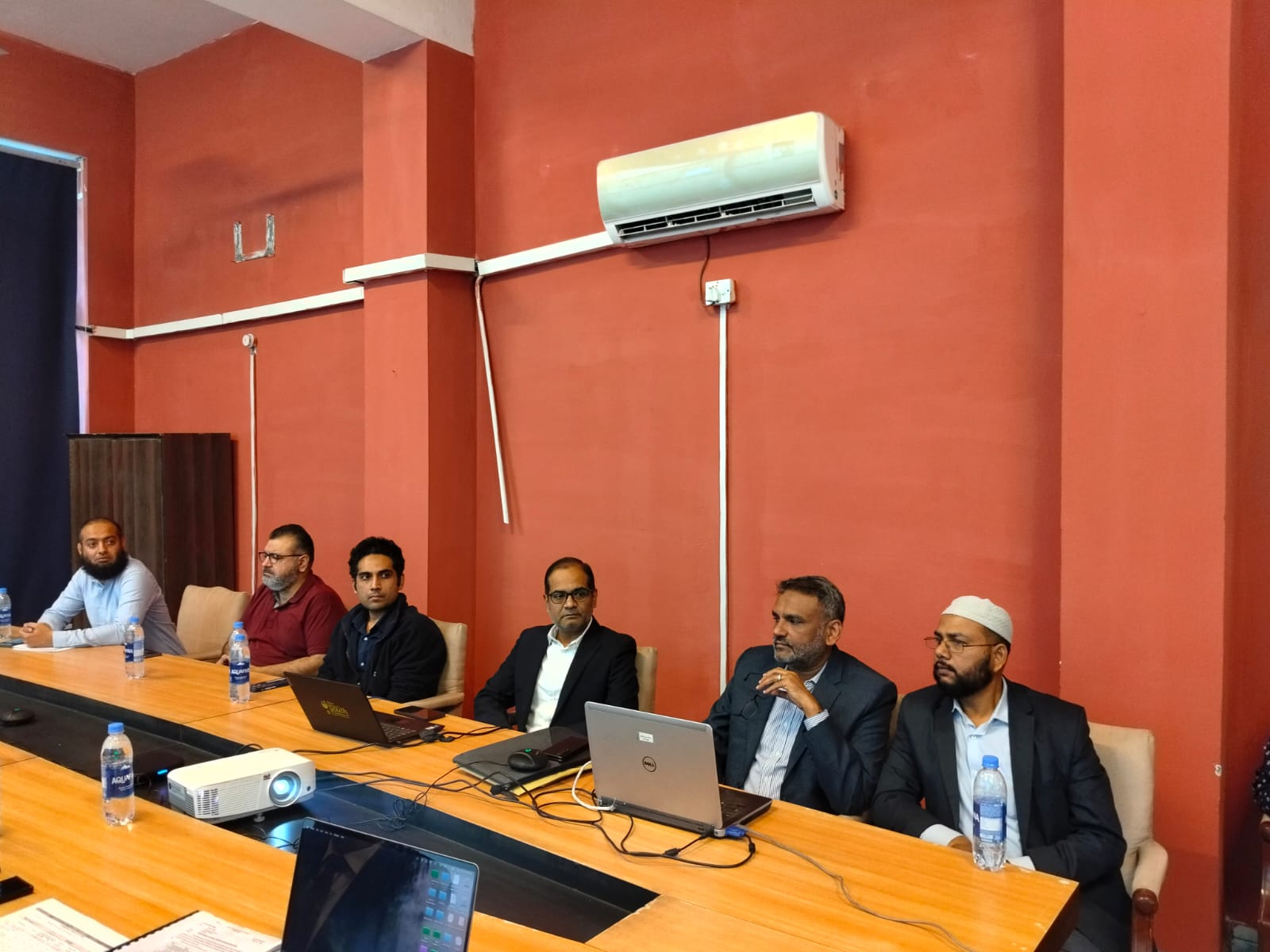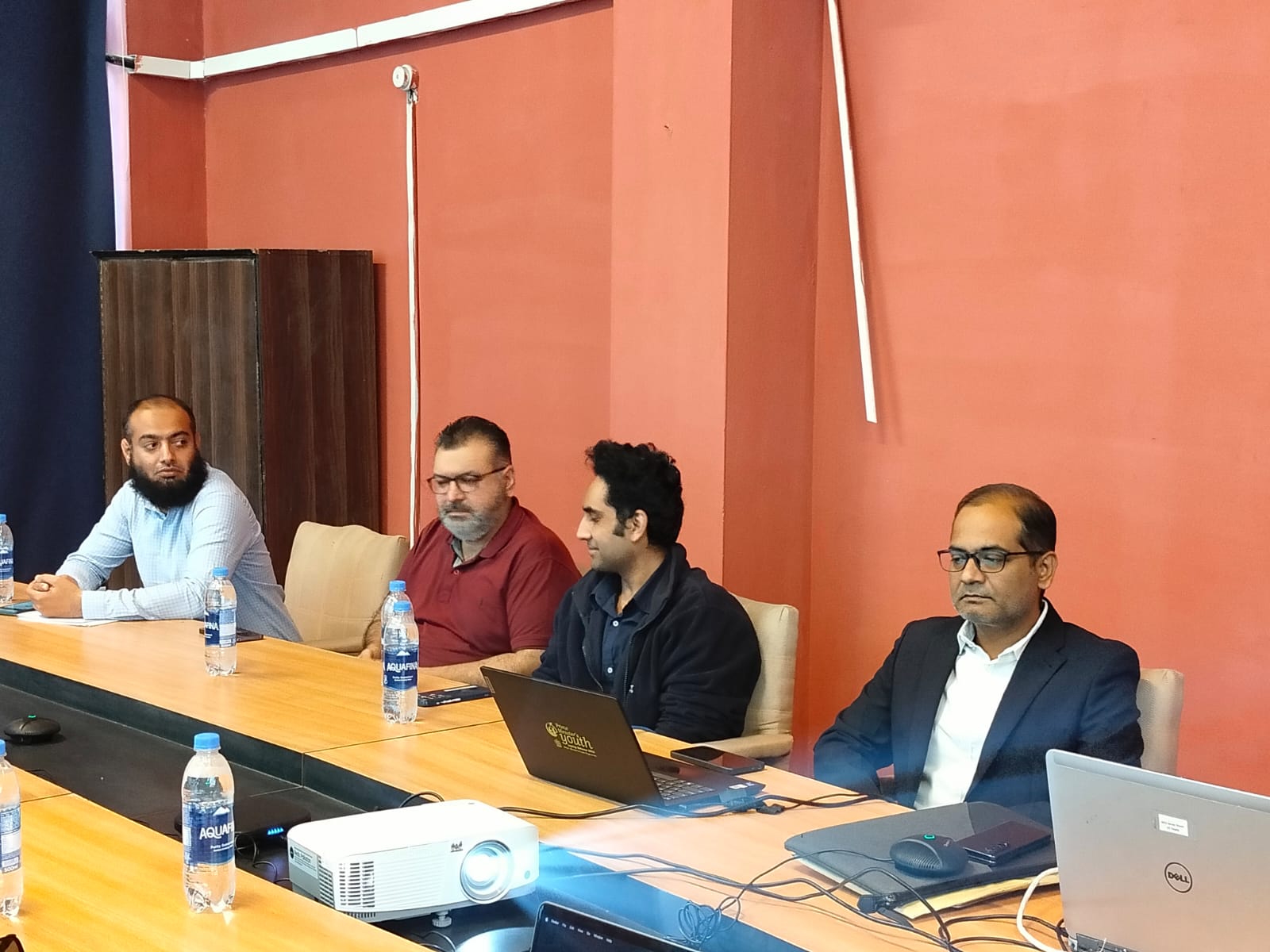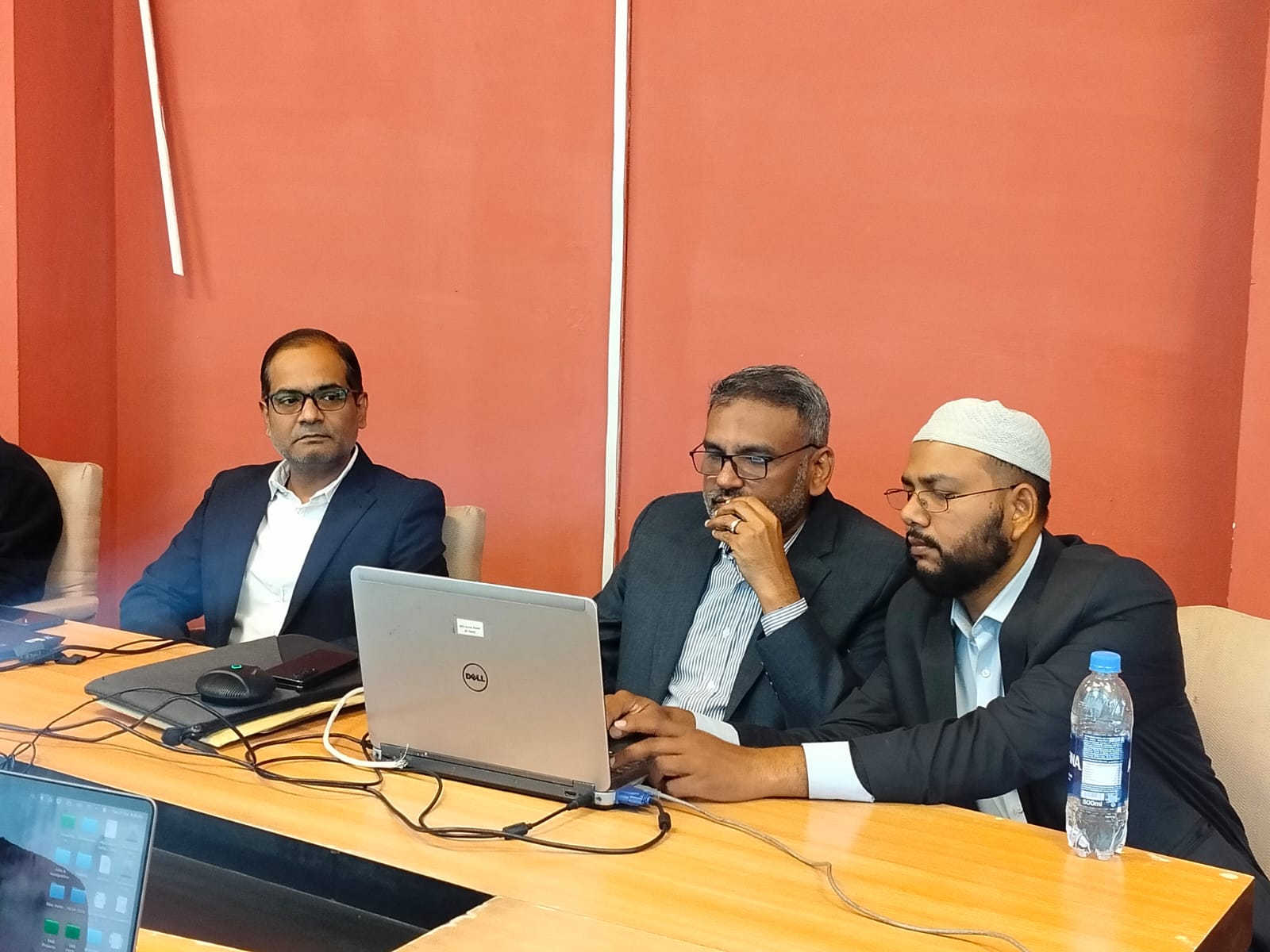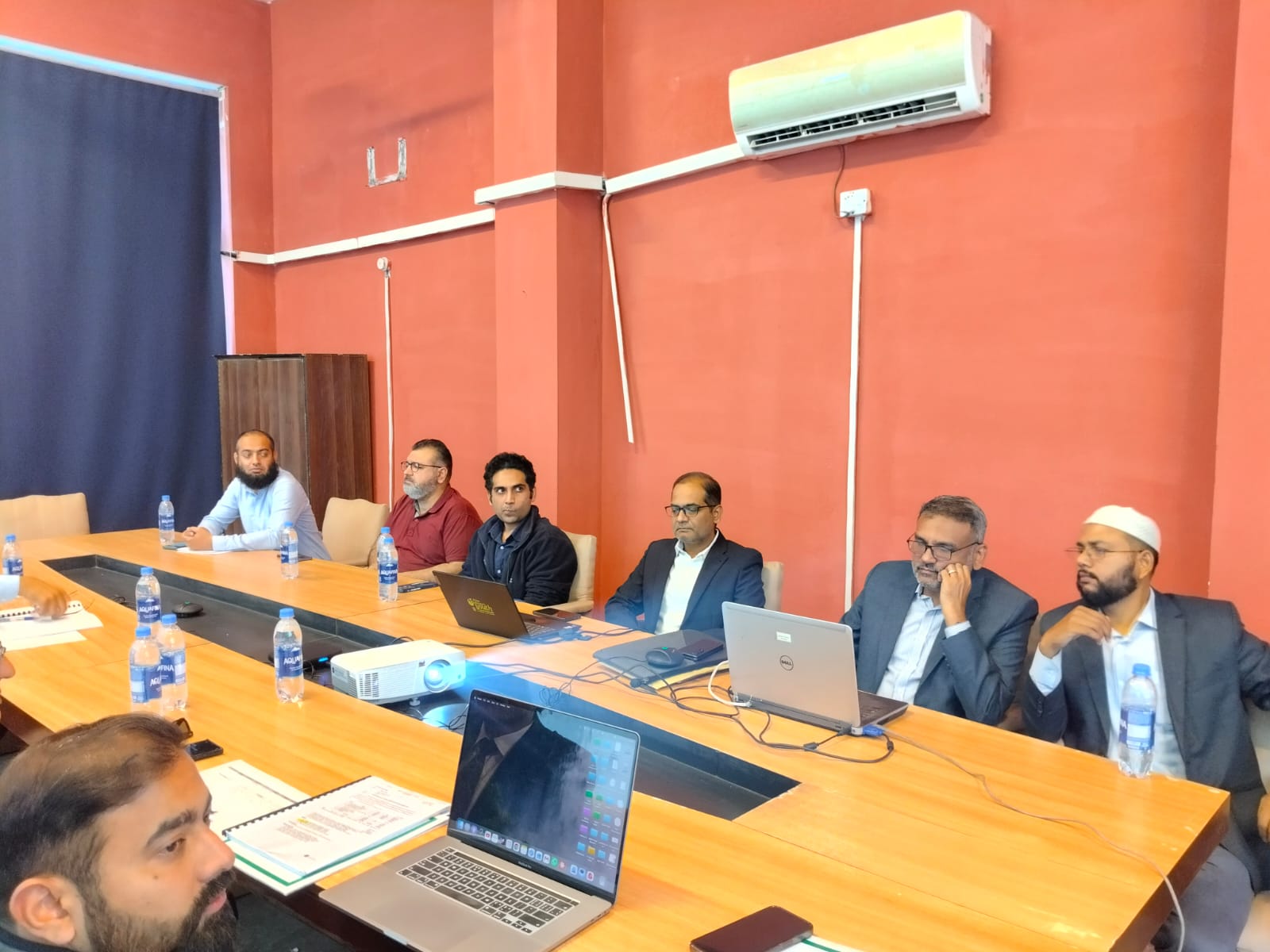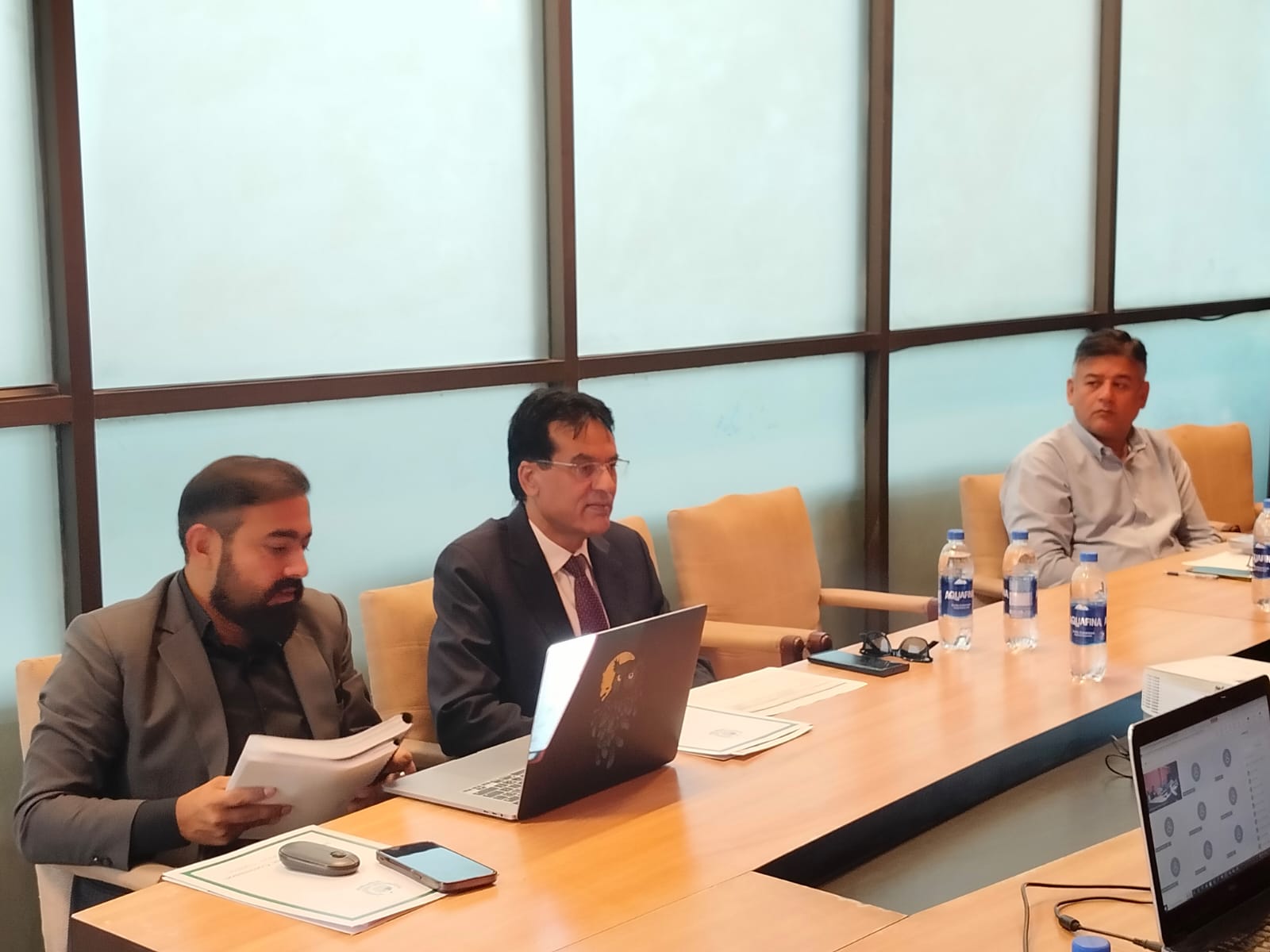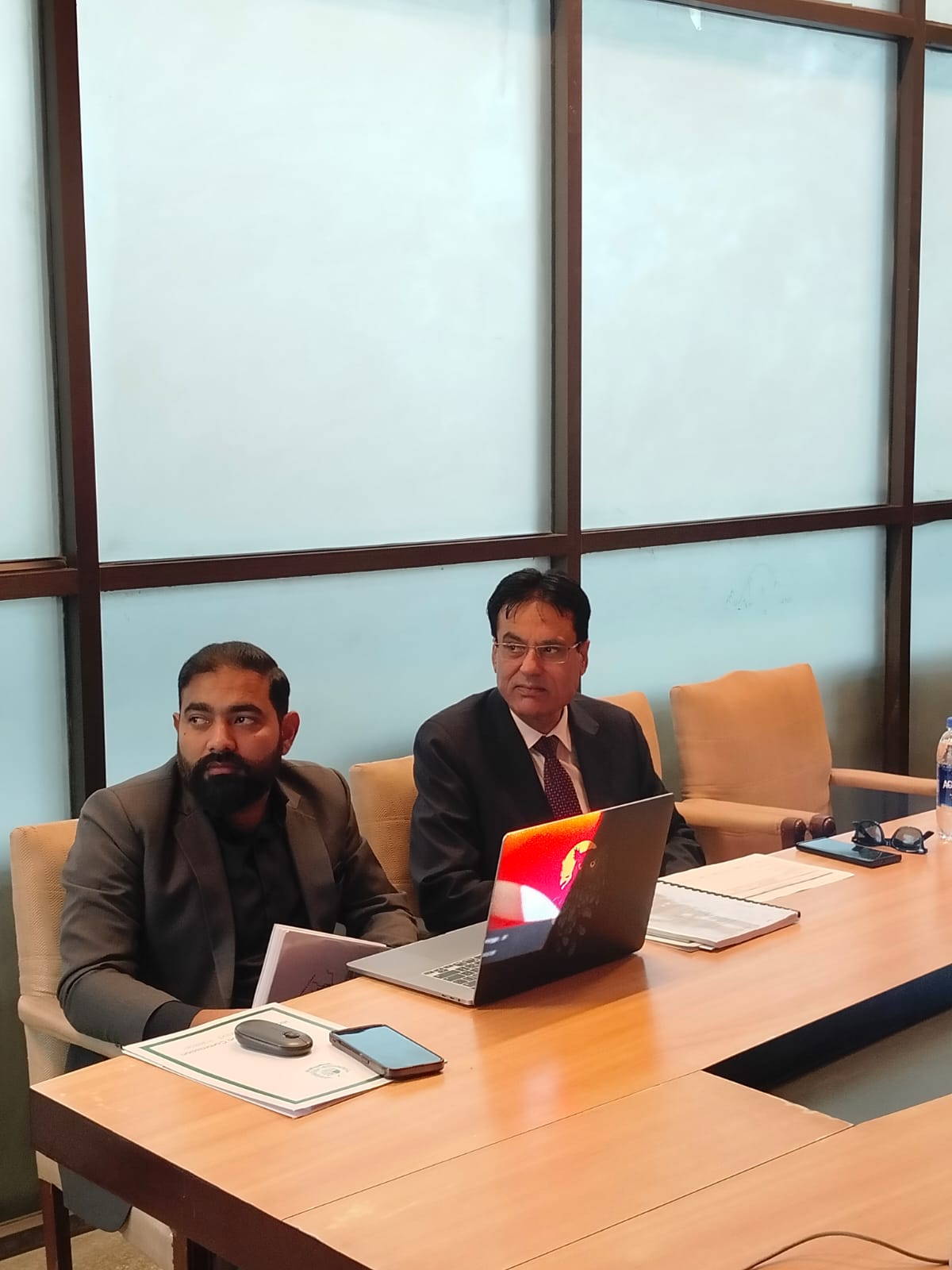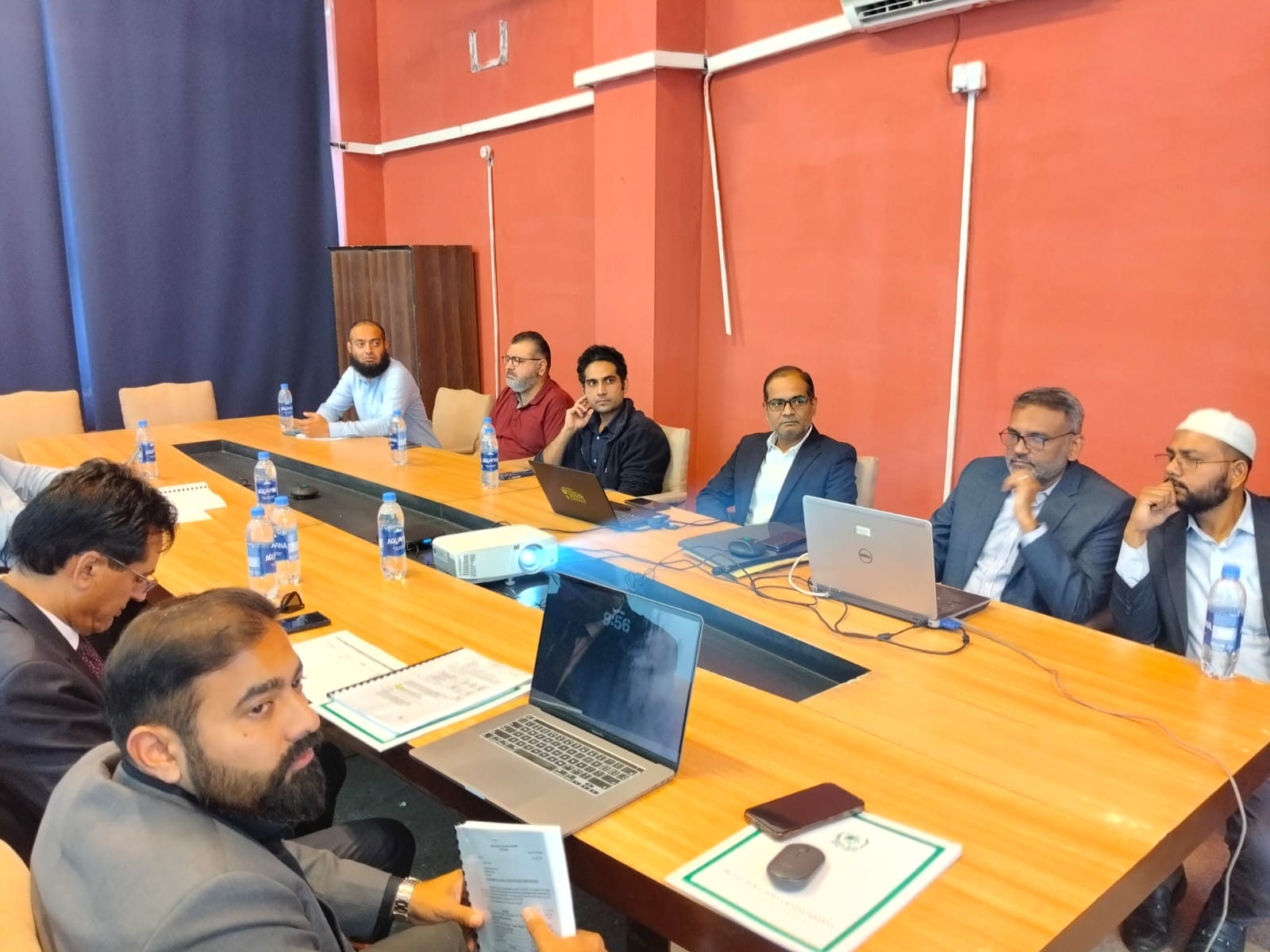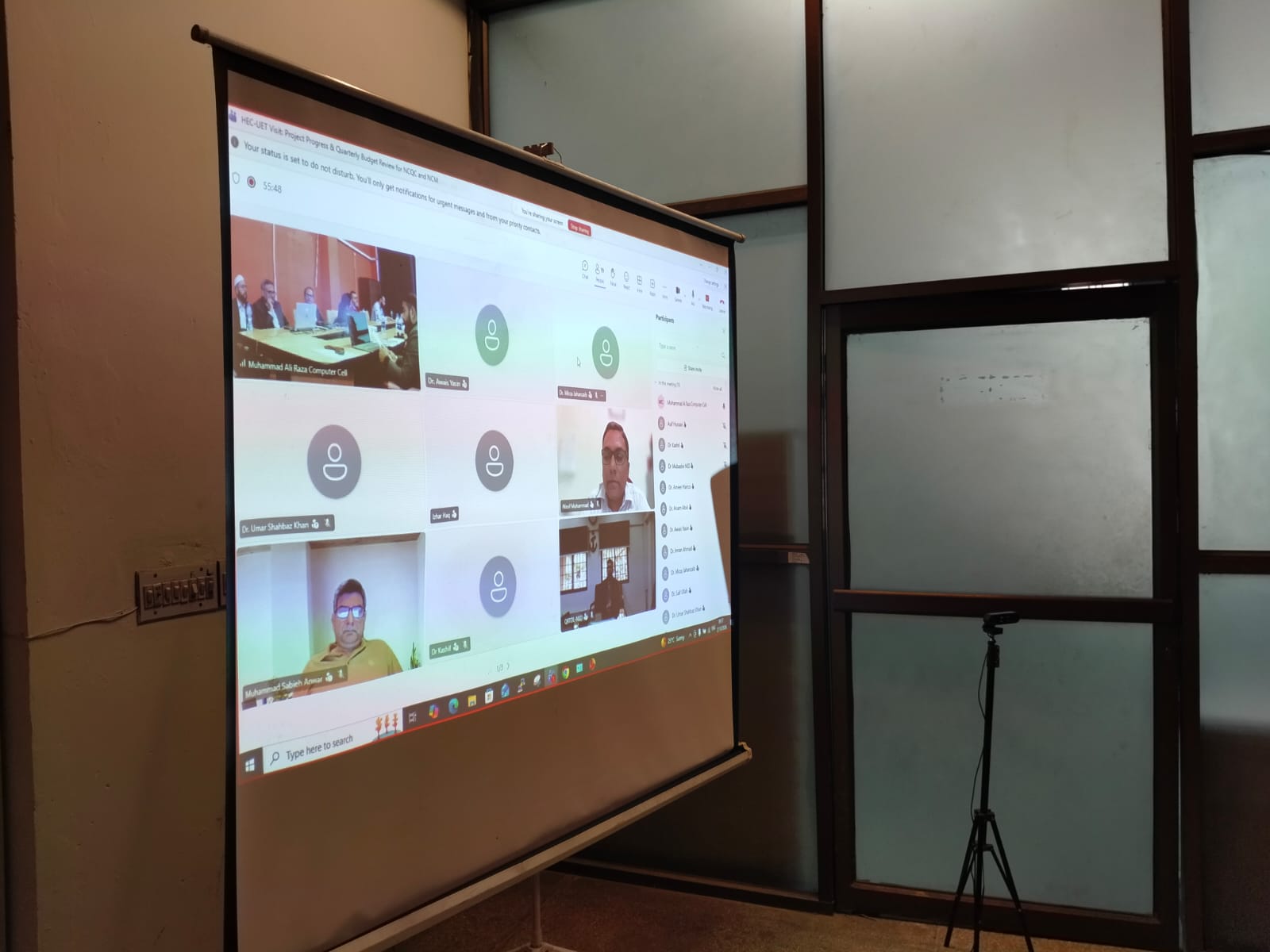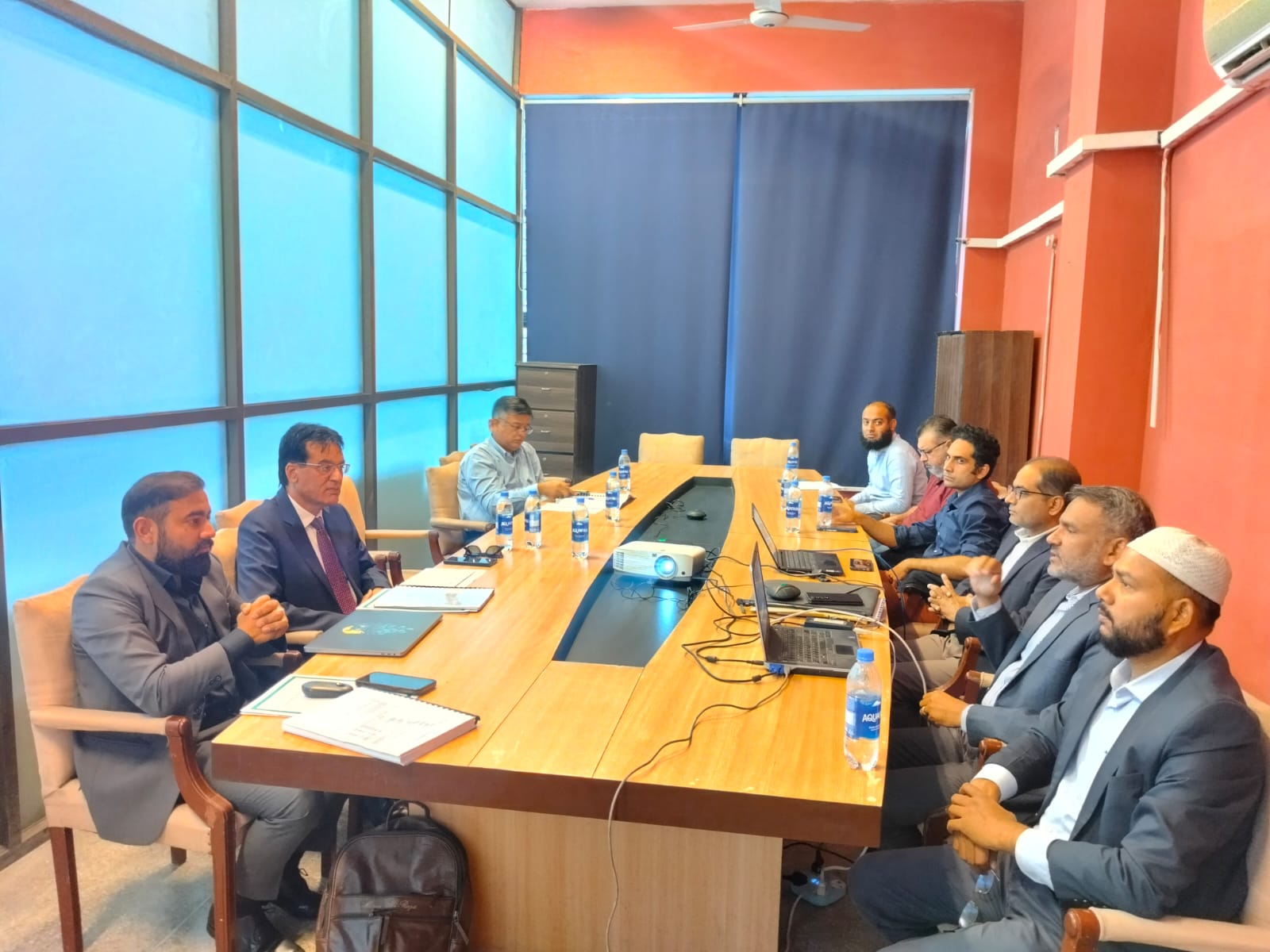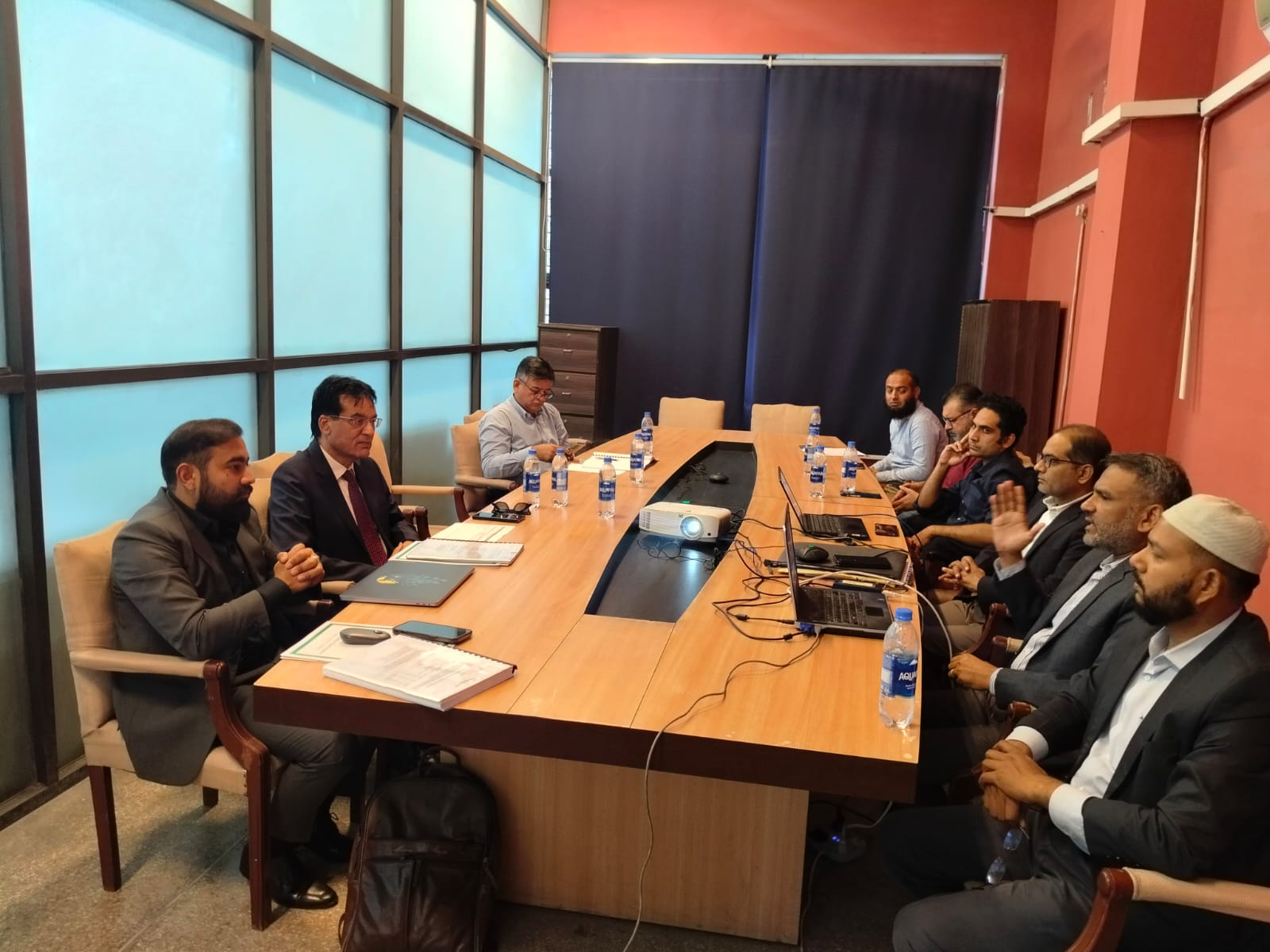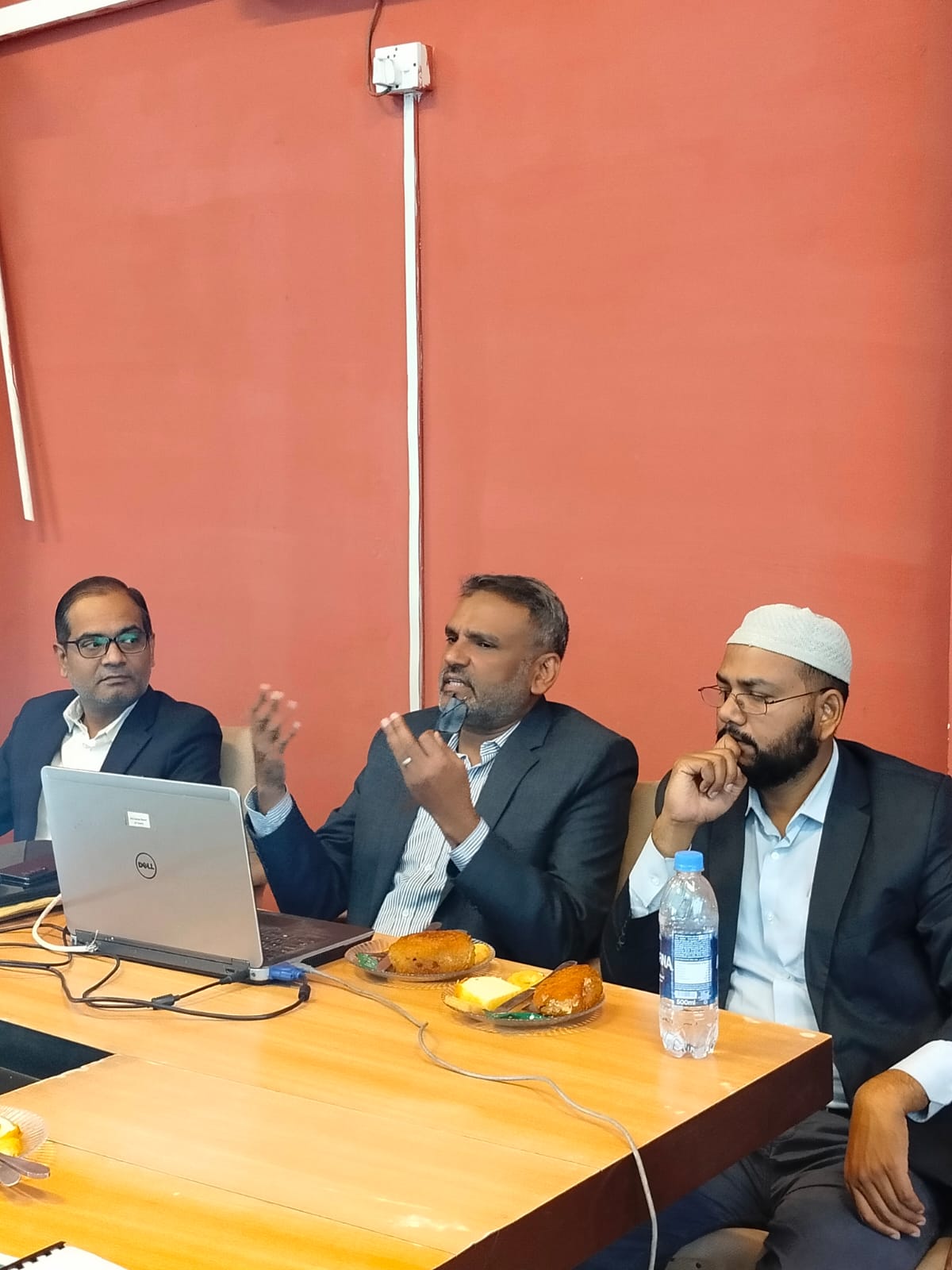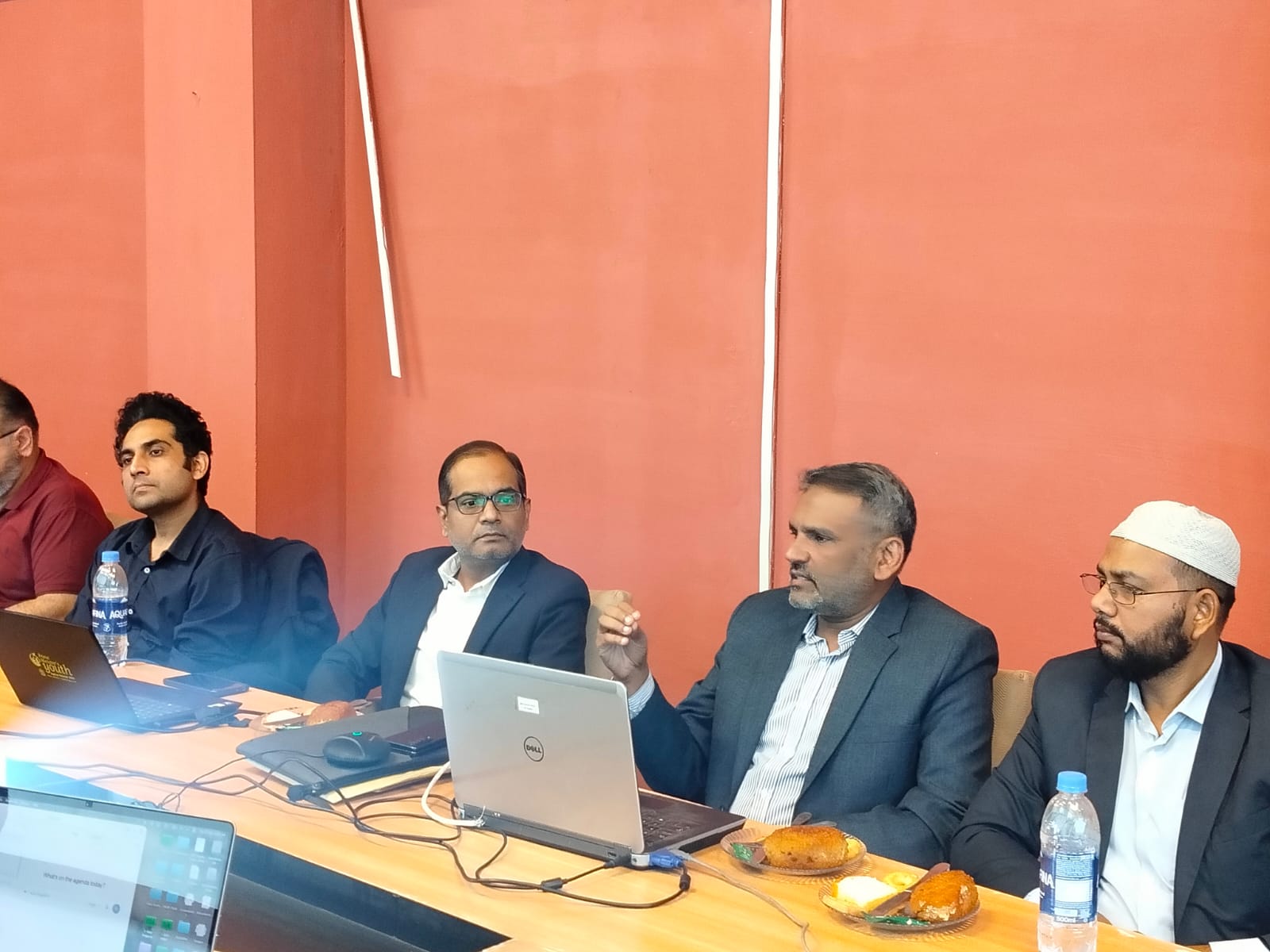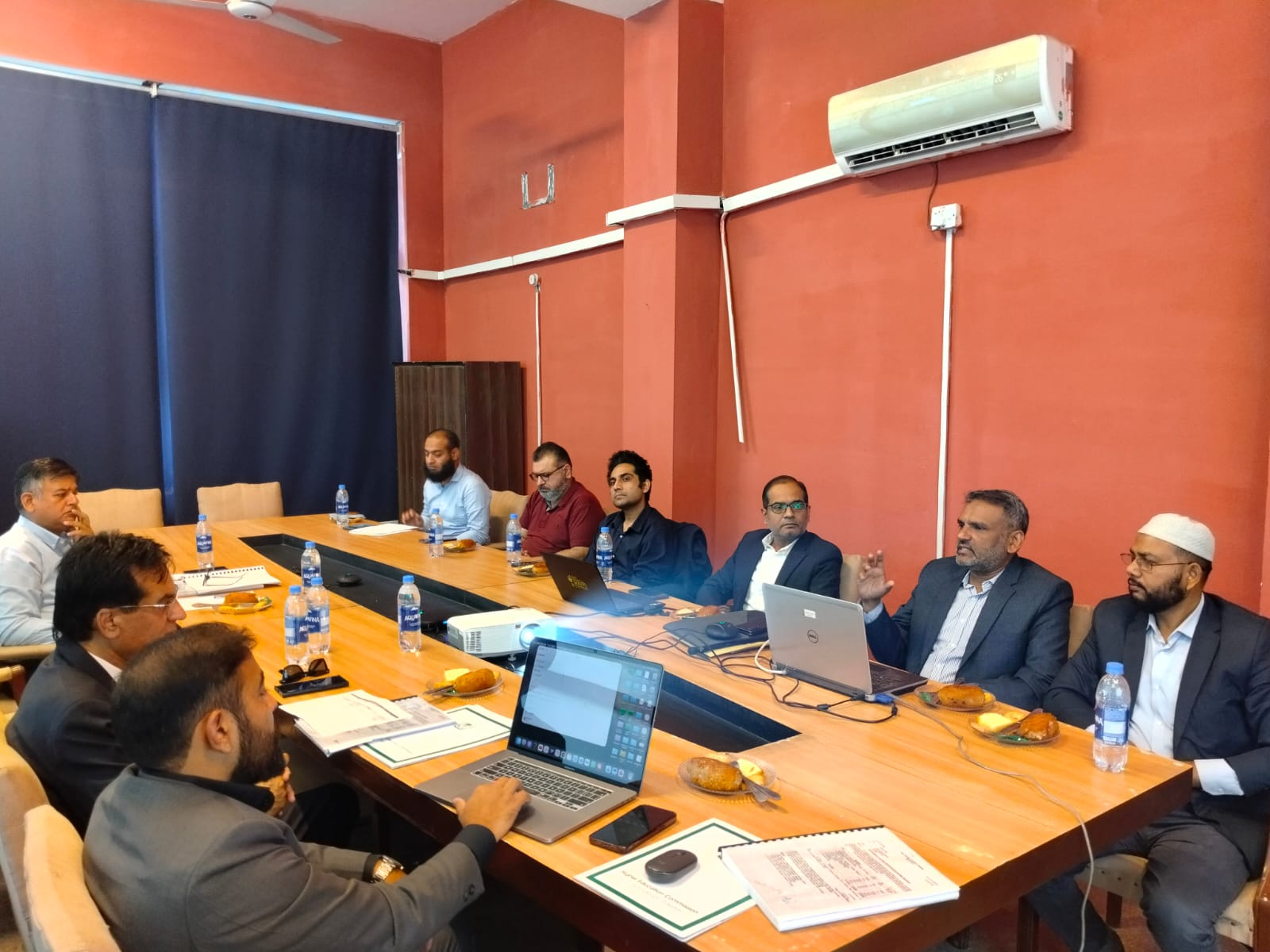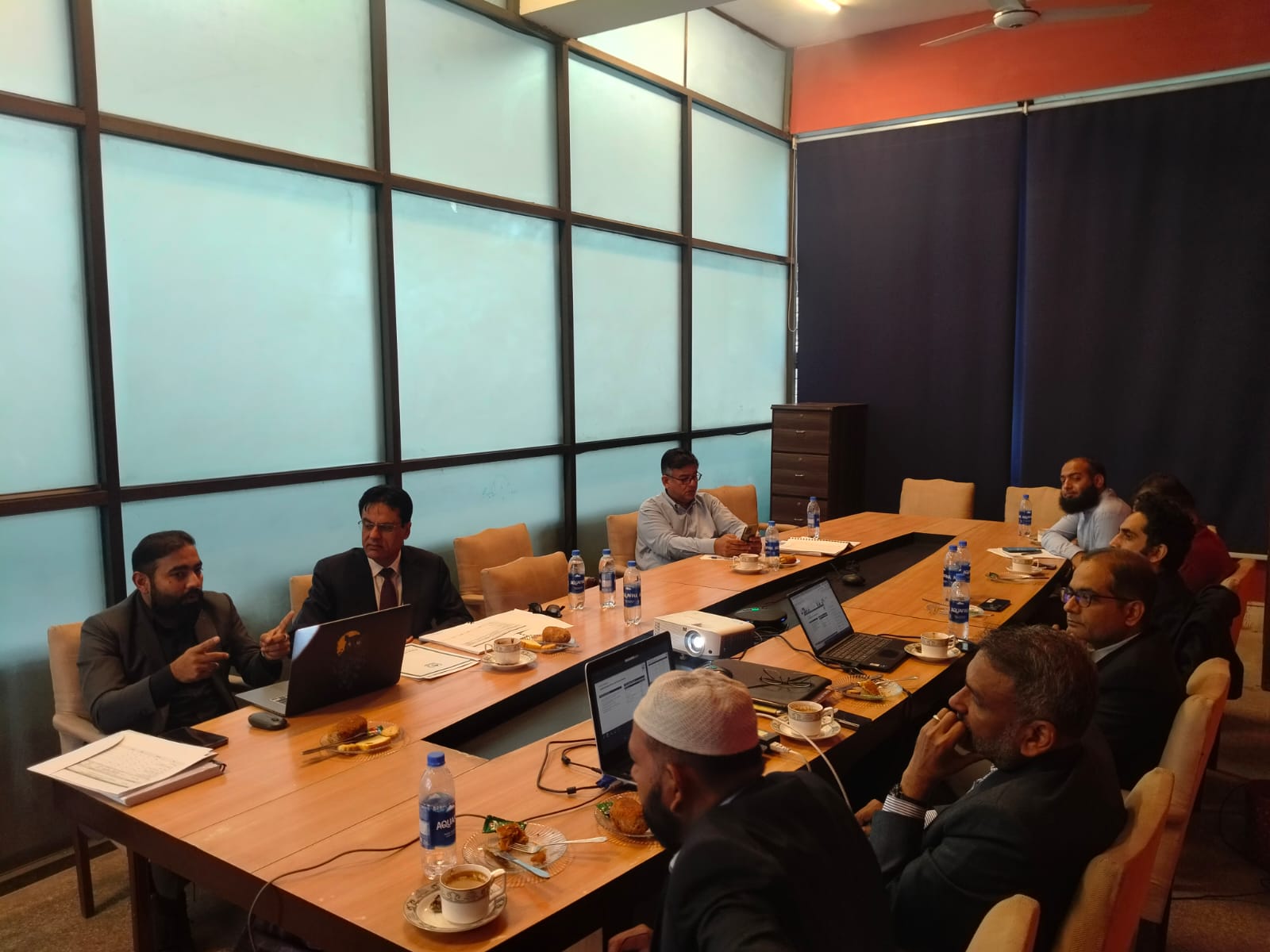
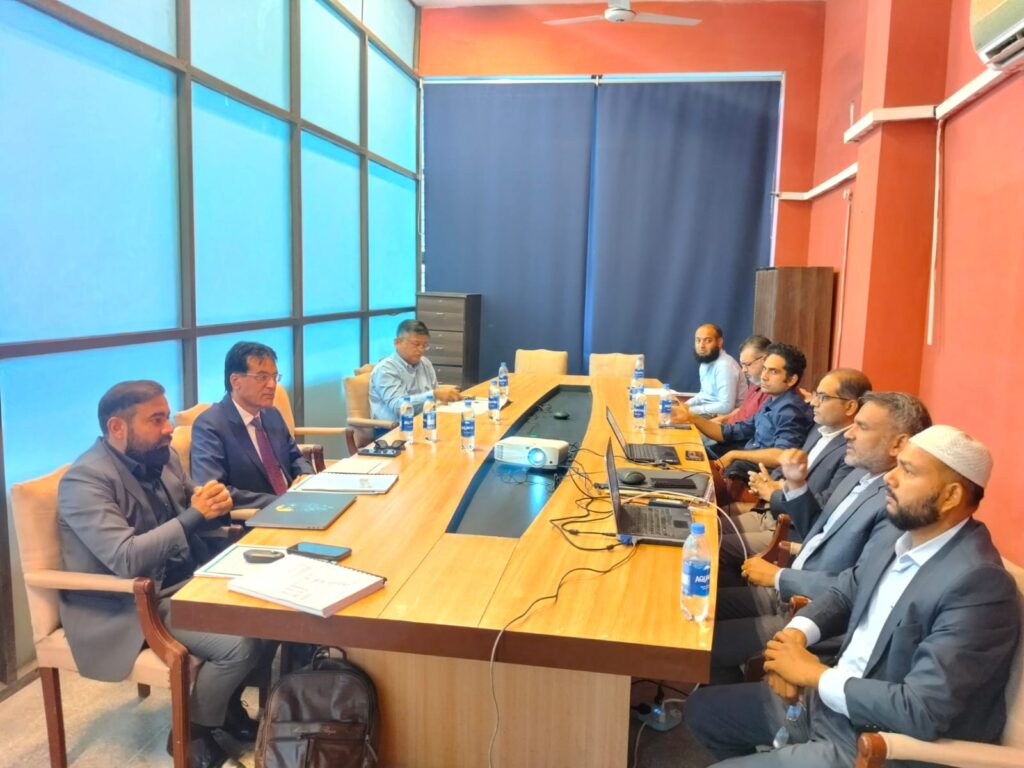
Lahore, October 27, 2026 — A joint team of the Higher Education Commission (HEC), comprising officers from the Monitoring & Evaluation (M&E), Planning & Development (P&D), and Research & Innovation Division (R&ID), held a comprehensive monitoring and review meeting with the leadership and research teams of the National Center for Manufacturing (NCM) and the National Center for Quantum Computing (NCQC) at the University of Engineering and Technology (UET) Lahore.
The meeting was convened to assess implementation preparedness, progress since project approval, institutional arrangements, and financial requirements of these strategic Public Sector Development Programme (PSDP) initiatives. The review also aimed to facilitate timely implementation, identify administrative and operational bottlenecks, and establish clear priorities for the forthcoming quarters.
The HEC delegation included Dr. Shafiq ur Rehman, Member Strategic Planning; Dr. Bashir Khan, In-charge Monitoring & Evaluation; and Mirza Ali Raza, Deputy Director, M&E. Representatives of the P&D Division participated virtually, while project directors, principal investigators (PIs), co-principal investigators (Co-PIs), and focal persons from participating institutions joined the discussions.
Key Discussions and Implementation Priorities
A major focus of the meeting was the development of realistic, quarter-wise funding and expenditure plans aligned with the implementation schedules of individual laboratories and partner institutions. The HEC team emphasized that funding requests should clearly identify immediate operational expenses, human resource requirements, equipment procurement, and anticipated payment schedules. Project teams were encouraged to submit consolidated, laboratory-wise financial requirements for the current and upcoming quarters to support informed planning and timely fund releases.
The participants discussed administrative and banking challenges affecting project implementation, particularly the opening and operationalization of dedicated project accounts and the completion of associated documentation. The need for coordination among HEC, university administrations, financial offices, and partner institutions was highlighted to resolve these issues and facilitate the effective transfer and utilization of project funds.
Procurement planning and readiness formed another important part of the deliberations. The discussion emphasized the early preparation of technical specifications, tender documents, equipment lists, and procurement schedules, while ensuring compliance with applicable financial and procurement rules. Participants also highlighted the importance of aligning procurement timelines with anticipated fund releases, vendor lead times, equipment delivery, installation, and commissioning.
To ensure efficient use of public resources, the meeting stressed the need to assess existing laboratory infrastructure and verify that proposed equipment complements available facilities rather than duplicating investments at the same or other participating institutions. Procurement priorities are to be guided by approved project objectives, identified research gaps, and the practical requirements of the constituent laboratories.
Human Resource Development and Research Activities
The meeting also addressed the recruitment and deployment of project personnel, including research staff, technical experts, laboratory managers, procurement and accounts personnel, and other essential positions. Participants discussed recruitment approvals, job descriptions, administrative procedures, and the importance of initiating preparatory activities to minimize delays in staffing the centers.
The NCM research teams outlined plans related to advanced manufacturing, automation, Industry 4.0, digital manufacturing, precision manufacturing, and industrial collaboration. Discussions included the development of functional laboratory facilities, hands-on training opportunities, industry-oriented research, product development, and potential commercialization of research outcomes.
The NCQC project team also discussed implementation planning, research infrastructure, human resource requirements, and the steps required to operationalize the center and its associated facilities. The importance of coordinated planning, research capacity building, and the effective utilization of allocated resources was underscored.
Participation of Partner Institutions and Key Presentations
The meeting brought together researchers and project representatives from institutions including UET Lahore, Lahore University of Management Sciences (LUMS), National University of Sciences and Technology (NUST), UET Peshawar, UET Taxila, Ghulam Ishaq Khan Institute of Engineering Sciences and Technology (GIKI), National University of Technology (NUTECH), and NED University of Engineering and Technology, alongside representatives of other participating organizations.
Leading the technical sessions, Prof. Dr. Muhammad Shahbaz, Center Director, delivered the main presentation detailing overall progress and strategic directions. He was joined by Dr. Ahsan Naeem, Principal Investigator (PI) of the Quantum Memory Processing Unit, and Dr. Syed Abbas Zilqurnain Naqvi, Co-PI, who outlined their team’s research roadmap and operational milestones. Additionally, Prof. Dr. Shahzad Asif, Director of KICS and PI of QRDTL, presented updates on his laboratory’s progress, ongoing projects, and technical milestones.
Among the other researchers who introduced their roles and laboratory responsibilities were Prof. Dr. Muhammad Sabieh Anwar of LUMS, associated with the National Center for Quantum Computing; Dr. Ameer Hamza of NUST, Co-PI for the Center of Advanced Manufacturing Education and Training; Dr. Umar Shahbaz Khan, PI for the NEST Lab; Dr. Muhammad Asif, PI for the Center for Automation Technologies and Industry 4.0 at UET; Prof. Dr. Izhar Haq, PI for the Center for Digital Design and Precision Manufacturing at UET Peshawar; Dr. Imran Ahmad, Co-PI for the Central Virtual Manufacturing and Digital Twin initiative at UET Peshawar; and Dr. Awais Yasin, PI for the Center for Manufacturing Execution System and Industrial Automation at NUTECH, Islamabad.
Their participation highlighted the collaborative and multi-institutional nature of the projects and the importance of defining clear responsibilities, coordinating procurement, and aligning research activities with approved project objectives.
Way Forward
The discussions emphasized the preparation and updating of detailed implementation roadmaps covering laboratory-wise activities, procurement milestones, recruitment schedules, financial requirements, and measurable performance indicators. Regular progress reporting and continued coordination among project leadership, partner institutions, and HEC were identified as important mechanisms for monitoring implementation and addressing emerging challenges.
The meeting also highlighted the importance of planning for equipment delivery and installation well in advance, expediting administrative approvals, and ensuring that project expenditure remains linked to realistic implementation needs and approved PC-Is.
UET Lahore and its collaborating institutions remain committed to the effective implementation of the National Center for Manufacturing and the National Center for Quantum Computing. Through coordinated planning, timely facilitation, and responsible utilization of public-sector funding, these initiatives aim to strengthen Pakistan’s research infrastructure, develop specialized human capital, foster university–industry collaboration, and advance scientific and technological innovation.